What people ask us
What should I do first when a pipe bursts or a drain backs up?
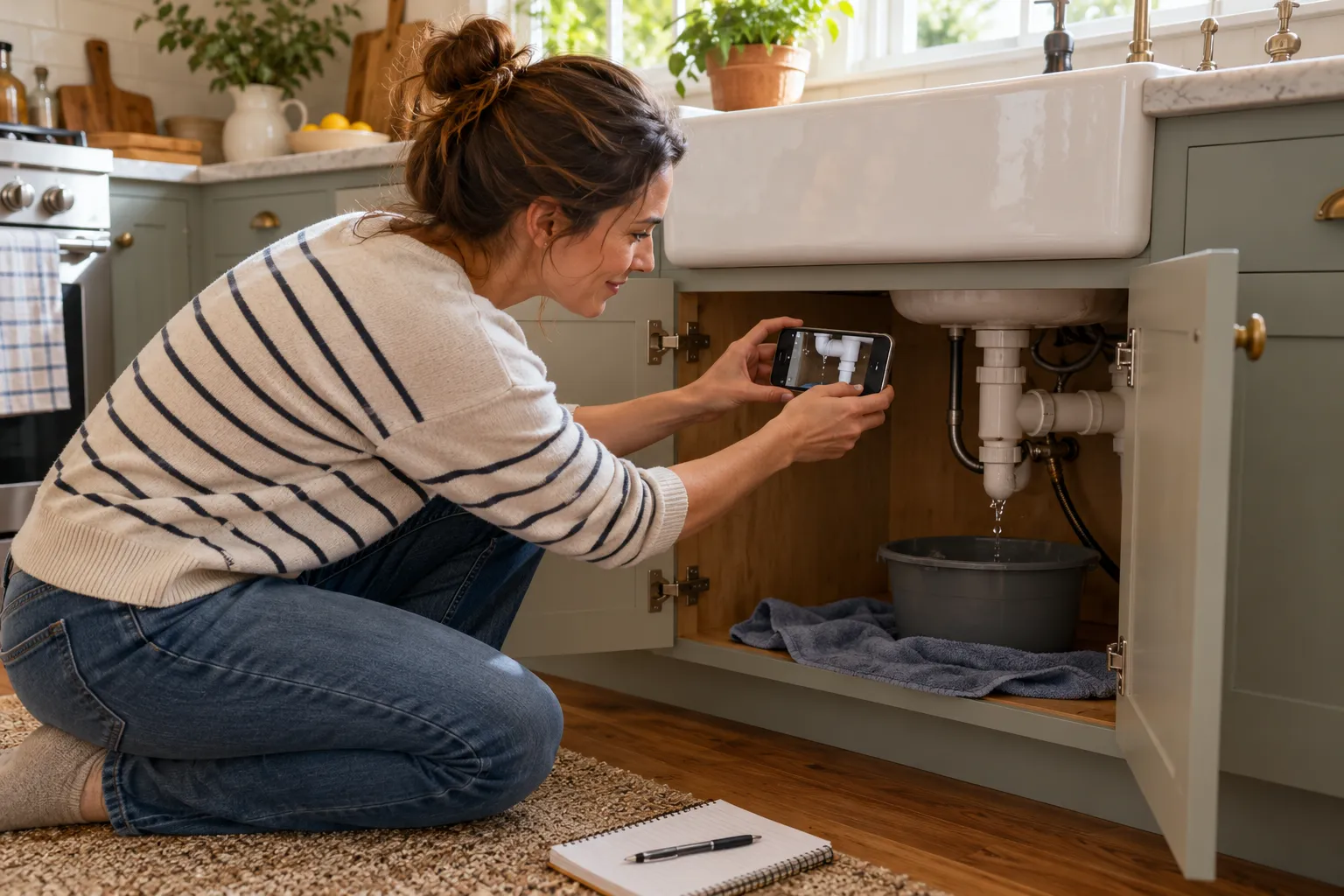
Many people think they should grab a mop first. In practice, stop the source. Shut off the main water valve for a burst pipe, and stop running water for a backup. Then take photos before you clean up. Write down the time and what you saw. Once you're documented, request an estimate or request a callback to check provider availability. Document first, then ask.
How much does emergency plumbing cost?
A lot of people think emergency means a fixed, sky-high price. Really, it varies by job. In the U.S., a simple leak fix or fixture repair might run roughly $150 to $600. A burst pipe with wall or floor repair can climb into the thousands. After-hours work may add a surcharge. Providers set their own prices, so ask for a written quote and compare what it includes before you agree. Estimate before commitment.
Does homeowners insurance cover a sewer backup or burst pipe?
Many homeowners assume every plumbing mess is covered. It depends on the policy. Some policies may cover sudden damage, like a pipe that bursts, but backups often need an extra add-on. Wear and tear usually is not covered. Check your policy and talk with your insurer. Providers can often help document damage for a claim, so keep photos, notes and receipts together.
What photos and notes should I gather for an estimate?
People often think a quick phone call is enough. A little paperwork helps more. Take wide shots of the room, then close-ups of the leak, clog or damage. Photograph the main shutoff and any pipe labels. Note when the problem began, which drains are slow, and any past repairs. Save receipts and the age of your plumbing if you know it. Clear details lead to clearer estimates.
How do I know if a plumbing provider is trustworthy?
A friendly voice on the phone is not proof. Ask whether the provider is licensed and insured where you live, who will do the work, and whether you'll get a written estimate. A good answer is specific and calm. Red flags include pressure to sign right now, cash-only demands, vague pricing, or refusing to explain the repair. Providers in our network are independent, so always ask.
Is a slow drain an emergency?
Many people wait because water still goes down. A slow drain is often a warning sign, not a false alarm. If one sink is slow, a simple drain cleaning may do it. If several drains gurgle or back up, the main line may be blocked. Sewage in the home or basement floor drain is urgent. Stop using water and request an estimate.
How much does sewer line repair cost?
Some homeowners believe sewer work always means digging up the whole yard. Not always. Many repairs use a camera inspection first, and some use trenchless methods. In the U.S., drain clearing often runs about $100 to $600. Spot repairs may be a few thousand dollars, and full line replacement can cost much more. Older cast-iron and clay pipes can raise the price. Get the scope in writing.
How can I prevent clogs and frozen or leaking pipes?
Many people think flushable wipes are safe. They often are not. Keep grease, wipes and food scraps out of drains. Have the main line checked if your home has older cast-iron or galvanized pipes, or large trees nearby. Before winter cold snaps, insulate exposed pipes and know where your main shutoff is. A little upkeep costs far less than a surprise backup.